
Have you tried making restaurant-style pan-seared salmon at home and wondered why it doesn’t taste like the restaurants?
Most pan-seared salmon recipes season the salmon right before searing. The result is a beautiful sear on the outside and underseasoned fish on the inside, which is why it never quite tastes like the salmon at your favorite restaurant. The fix is this 45-minute salt and sugar dry brine.
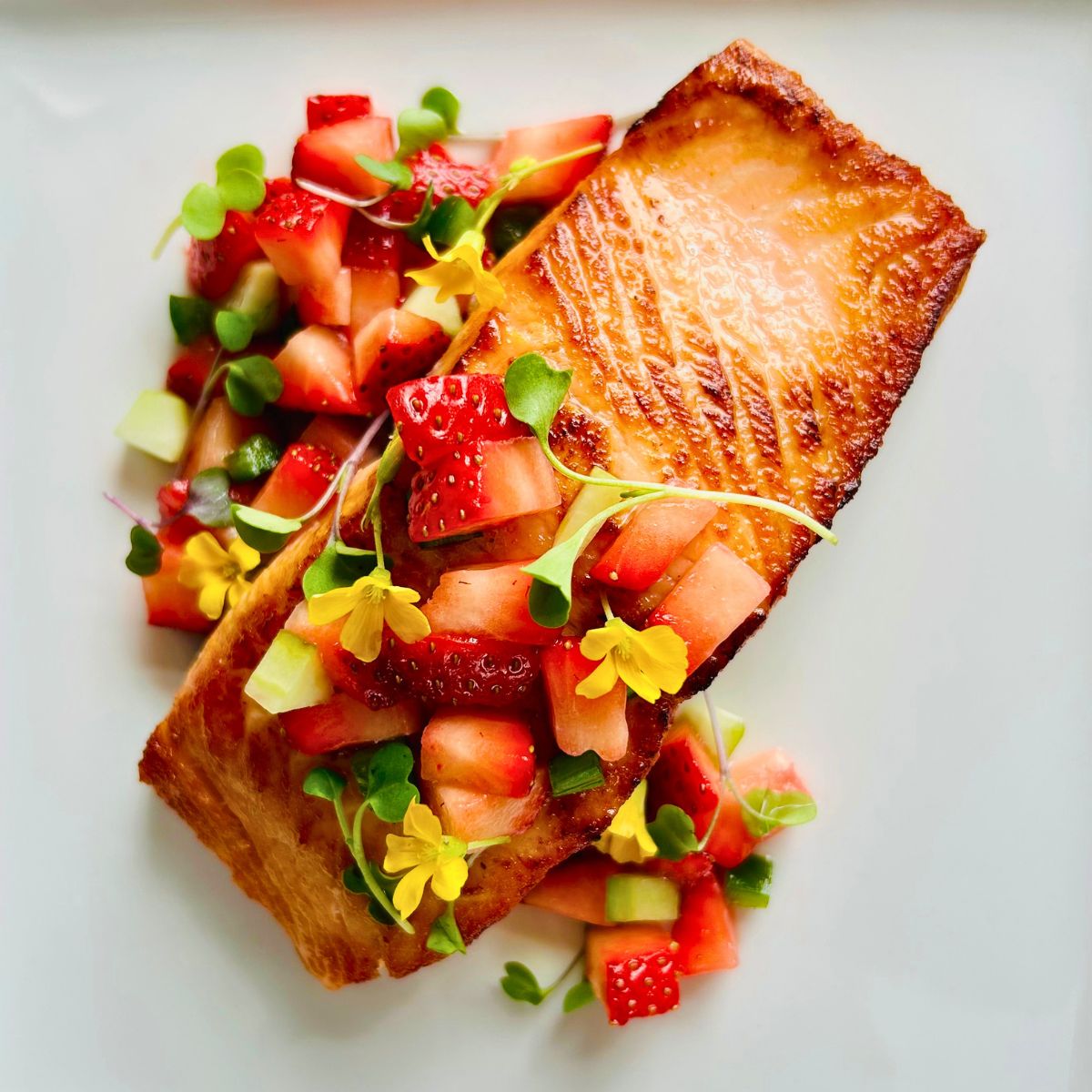
I live in Kansas City, where half of our neighbors own a smoker. It's a common practice to brine salmon before smoking it. So, I thought, "Why not brine salmon before searing it in a pan?"
Turns out, the same dry brine technique I use on prime rib, tomahawk steak, and turkey breast also works beautifully on salmon. This recipe has been tested and refined over time, ultimately ending up with a 2:1 salt-to-sugar ratio.
I used to finish with a butter baste after flipping, but I no longer find it necessary. The dry brine does enough work on flavor that the butter added to a fatty fish, like salmon, is not needed here.
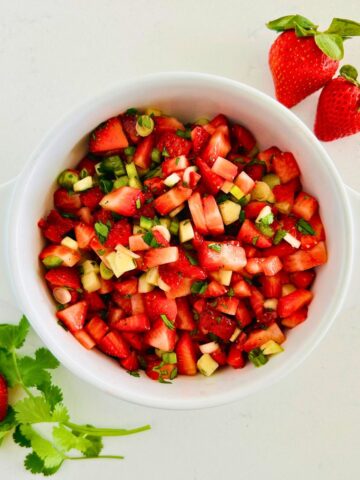
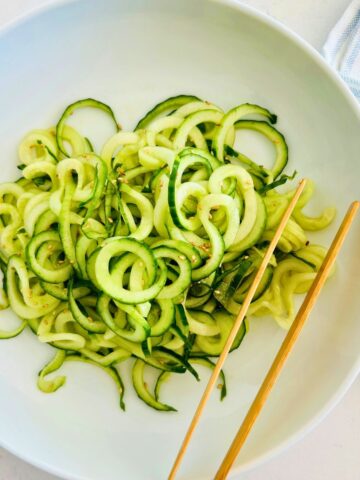
The recipe is simple enough to let the salmon be the star, but add a salsa or sauce if you want to make it a complete plate. Top it with our favorite strawberry salsa for a light and bright direction or this miso butter sauce with cucumber noodles for a rich, Asian-inspired plate.
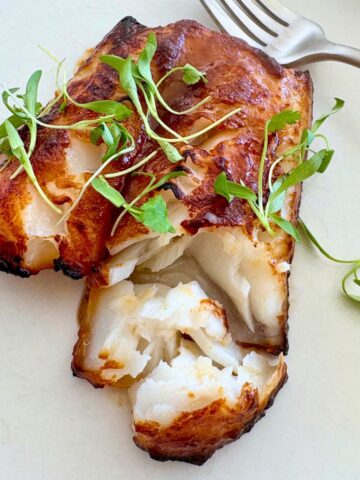
If you love salmon prepared this way, my miso-marinated sea bass follows the same idea, or browse my list of sauce recipes for more ideas to pair with a protein.
Jump to:
Why You Will Love This Recipe
- This salt and sugar brine technique is the secret, and yes, you rinse it off before searing.
- The salmon is seasoned throughout the fillet rather than just on the surface.
- Cooking to an internal temperature of 125°F gives you a tender, just-cooked center, not a dry fillet.
- No albumin, that white stuff that squeezes out of cooked salmon.
What Is A Dry Brine?
Dry brining is sprinkling salt on meat and letting it rest in the refrigerator for a set amount of time. It gives you a little protection from overcooking. Sometimes, sugar is included for pork roast, poultry, and fish.
I tested this dry-brine method against a 15-minute wet brine, with salt and sugar dissolved in water. Both were good, but the dry-brine won. It had a softer texture and better flavor throughout.
Ingredients
You only need 4 ingredients to make restaurant-style pan-seared salmon.
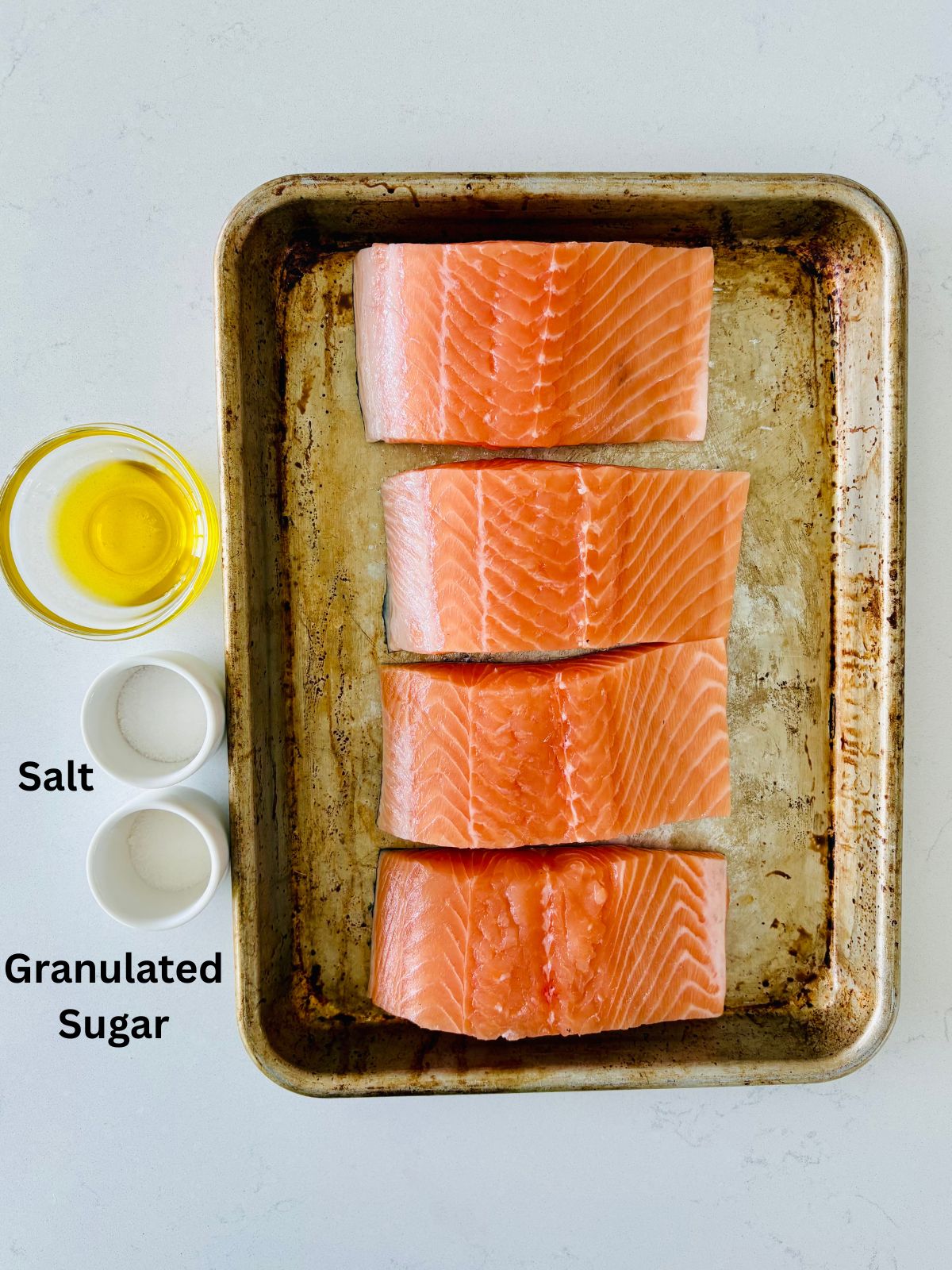
- Salmon Fillets: Most salmon is frozen; however, it's worth the hunt to find fresh, never-frozen salmon at a local butcher, Whole Foods, or Aldi. If you want wild-caught salmon, it is only available fresh during the summer. Fresh, not frozen, sustainably farmed salmon is available year-round. Look for fillets that are at least 1 inch thick and roughly 8 ounces each. I look for center-cut fillets because they're more uniform in thickness, which means they cook more evenly. Skin-on or skinless both work. If you leave the skin on and want it crispy, start searing skin-side down.
- Diamond Crystal Kosher Salt: Salt seasons the protein, going deeper into the fillet as it sits. The brine ratio in this recipe is written for the Diamond Crystal brand. If you're using Morton kosher salt or table salt, cut the amount in half. Those are finer-grained, so the same volume weighs more and delivers more salt.
- Granulated Sugar: Sugar contributes to browning in the sear, flavor, and balances the salt. You won't taste sweetness in the finished fish.
- Cooking Oil: Use an oil with a high smoke point. Olive oil, canola, grapeseed, avocado, or vegetable oil all work. Butter alone will burn, so skip it here.
See the recipe card below for ingredient measurements.
Tips For The Best Results
Here are some key tips for making great pan-seared salmon:
- Try to buy fresh, not previously frozen, salmon for the best texture.
- For the cut, try to find 1-inch-thick center-cut fillets similar in size to each other. The tail end is thinner, but I'll still buy it if it's fresh. You can also buy a whole side of salmon and trim your own fillets. It's easier than it sounds and often a better value.
- I prefer to use a non-stick skillet, but seasoned cast iron and stainless steel pans also work.
- Don't overcrowd the skillet to get a good sear. You may only be able to fit 3-4 fillets in 1 skillet, depending on their width. Work in batches or use 2 skillets.
- Temperature check and cook to 125°F. Too often, salmon is overcooked and dry.
Step-by-Step Instructions
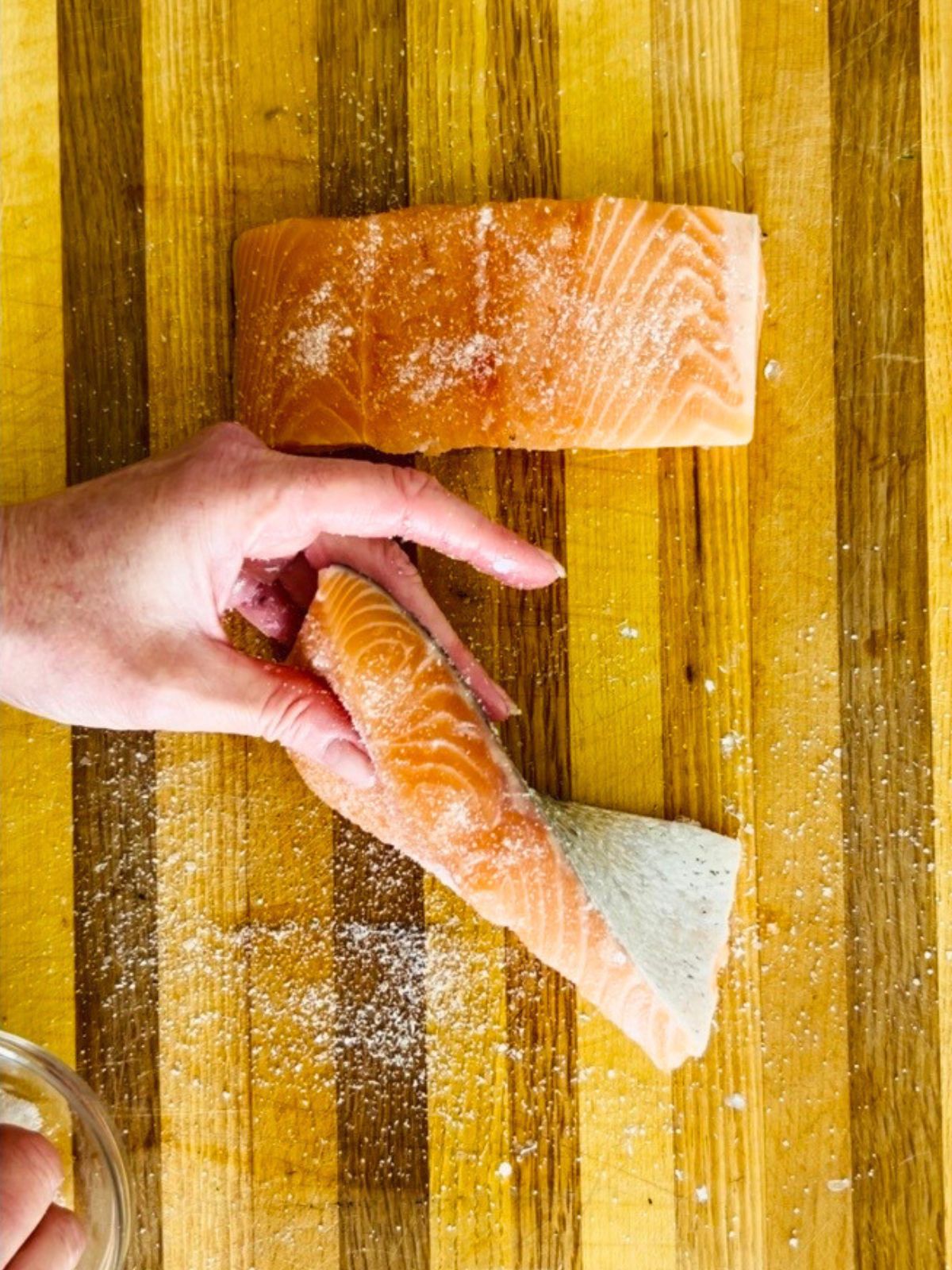
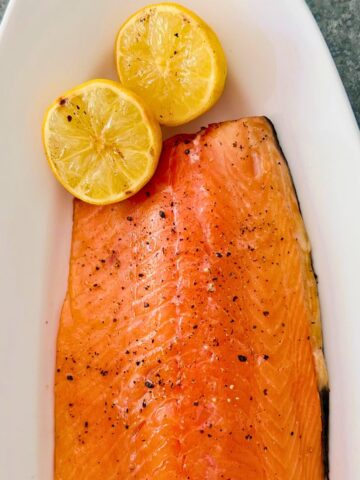
Step 1: Combine the kosher salt and sugar in a small bowl. Sprinkle it over the salmon, including the sides and skin side. Place on a plate or tray and refrigerate, covered, for 45 minutes.
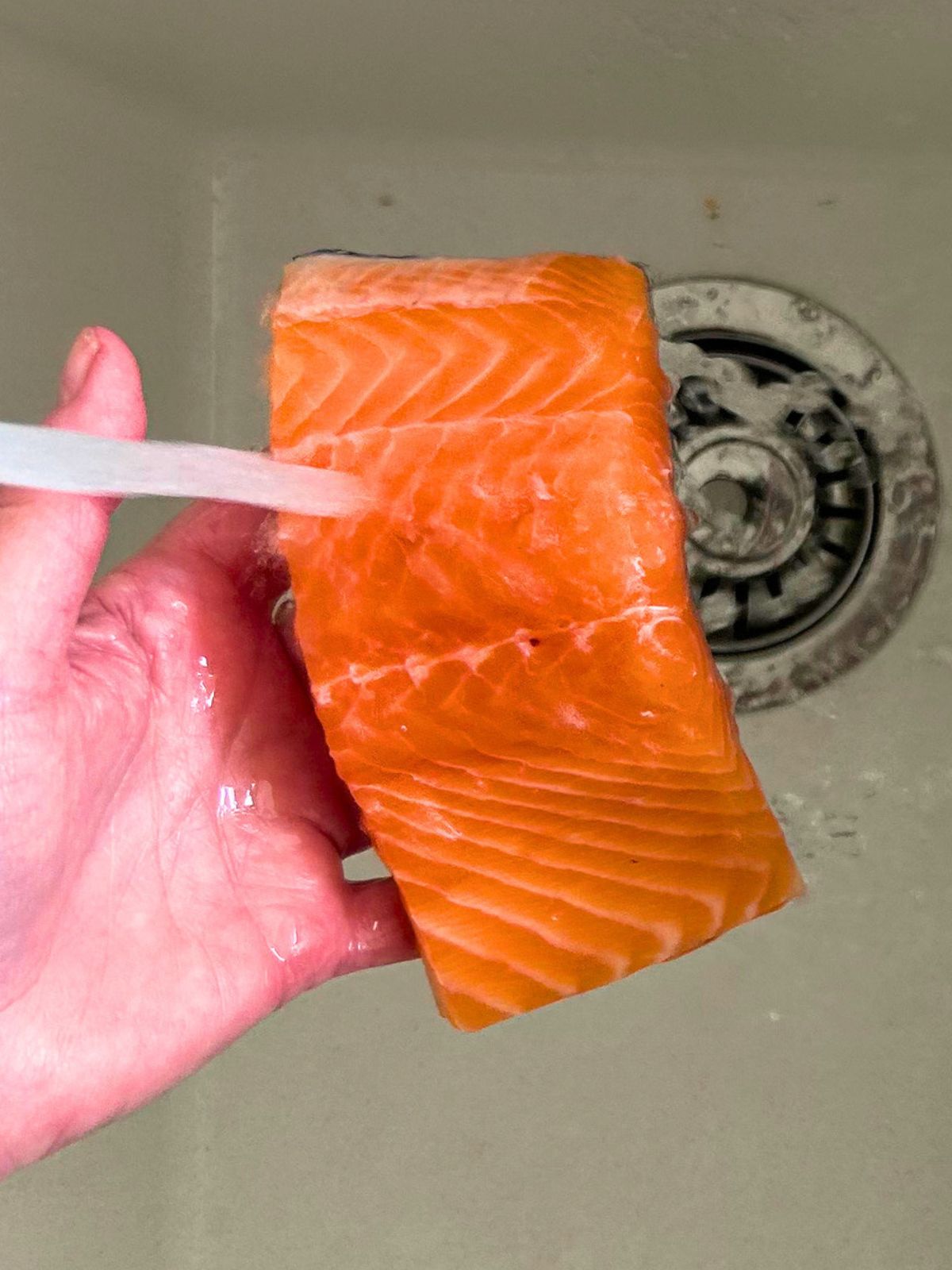
Step 2: Preheat the skillet over medium-high heat. Remove the salmon from the refrigerator, rinse with cold water, and pat dry. Season with black pepper, if using.
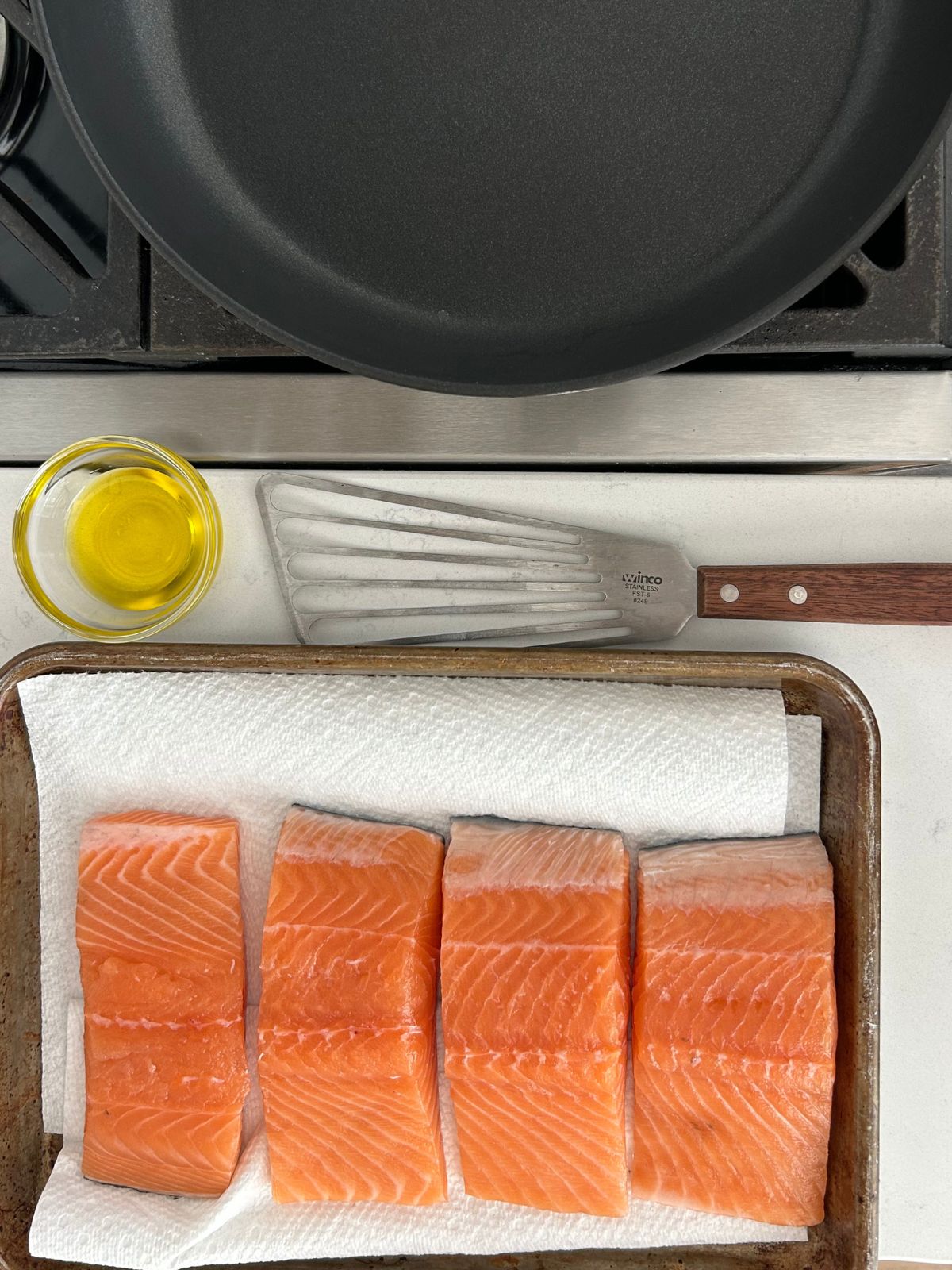
Step 3: Confirm the skillet is hot by sprinkling a couple of drops of water on it. It should quickly evaporate. If not, wait 2 more minutes to recheck. When hot, add the oil and swirl it around the skillet.
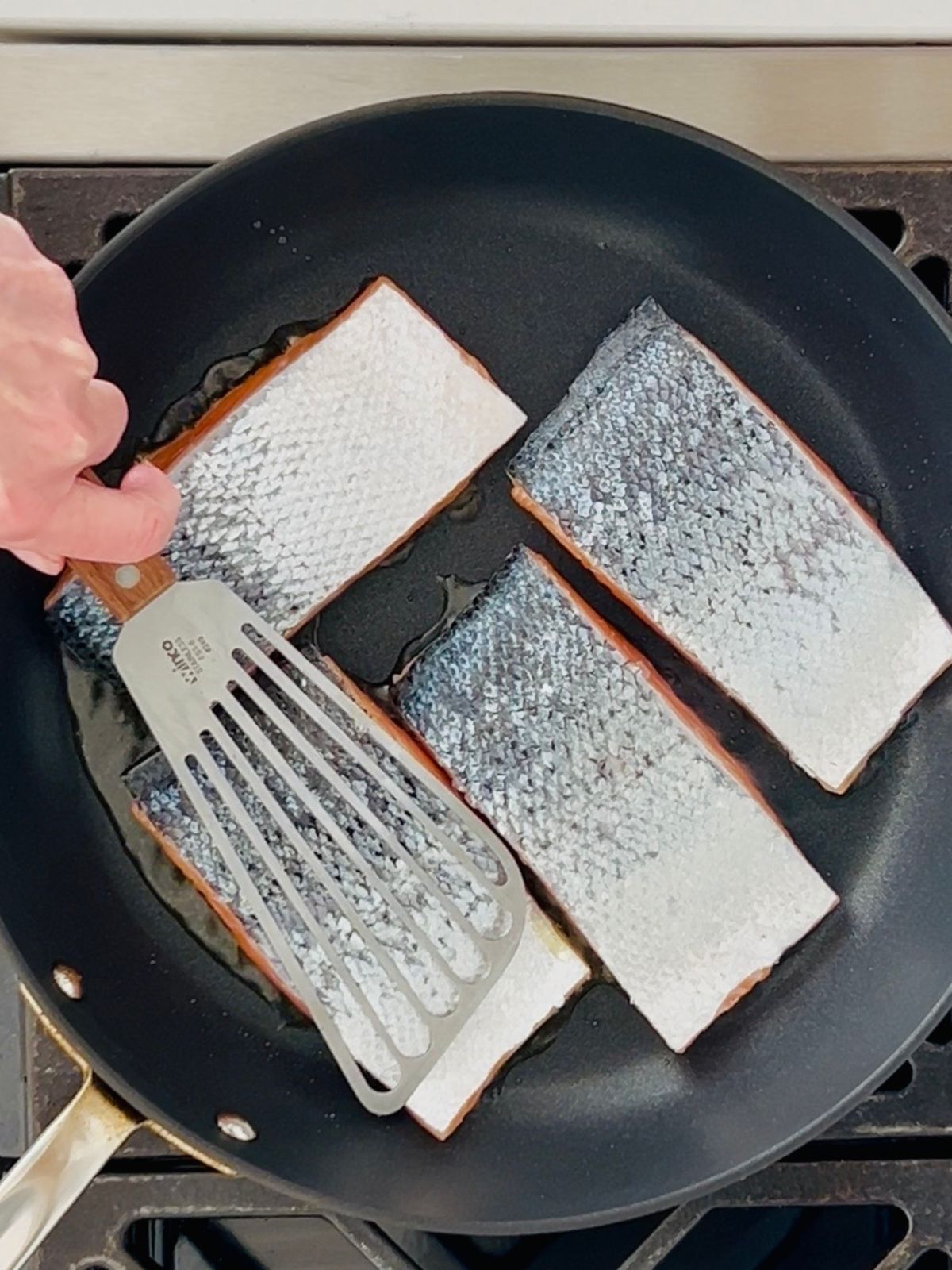
Step 4: Place the salmon fillets into the skillet skin side up. If you like crispy skin, start with the skin side down. Press down with a spatula to help brown. Leave it alone while it sears for 4 minutes. Notice the lighter color change up the side of the fillet as it's cooking.
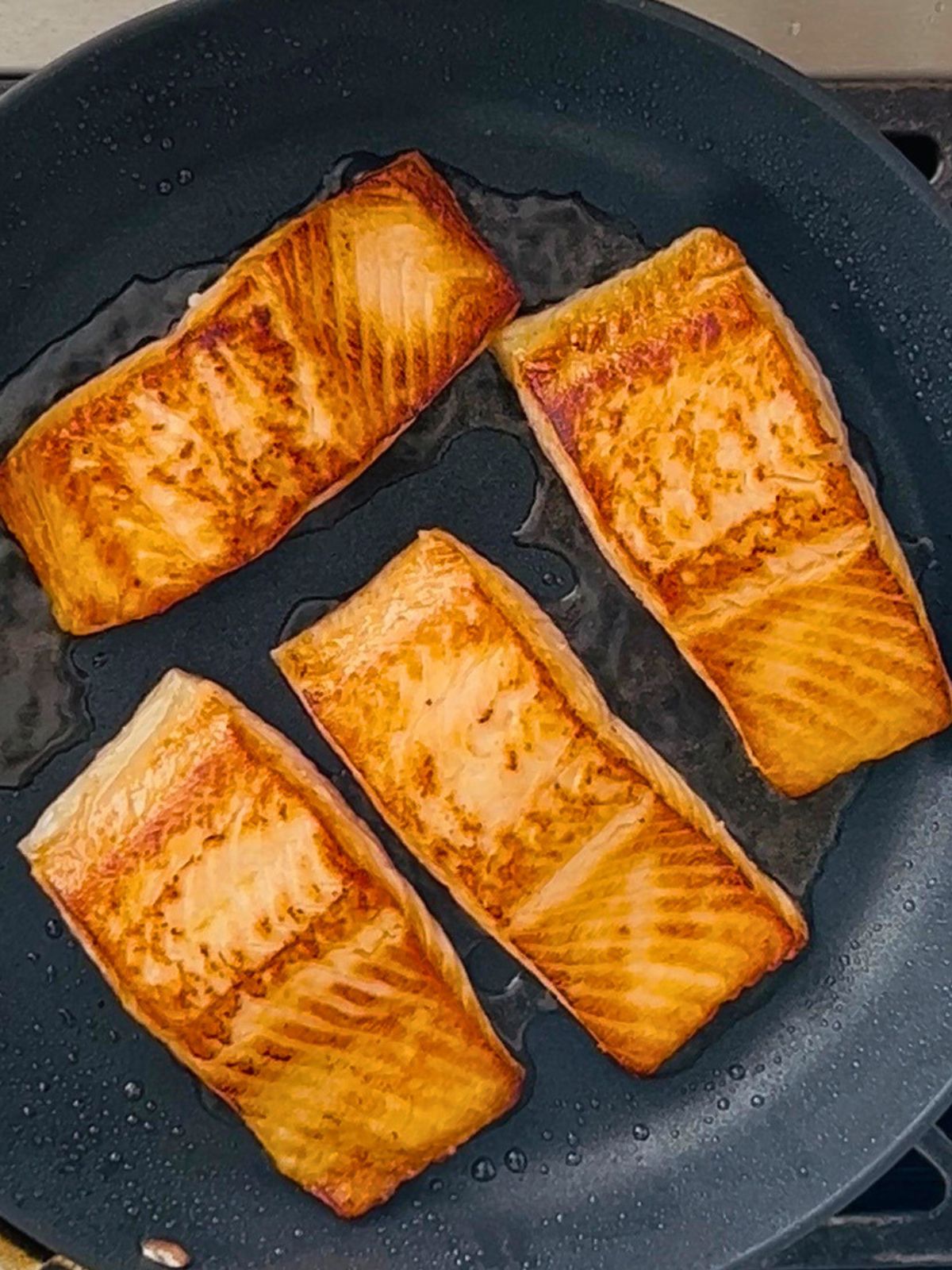
Step 5: Flip the fillets using tongs or a spatula. Sear for 4-5 minutes longer without moving them. Cook to an internal temperature of 125℉. Transfer the fillets to a plate and serve immediately.
Make Ahead Instructions
Don't cook the salmon ahead of time. Fish needs to go straight from the skillet to the table.
What you can do ahead of time:
- Dry brine anytime the day of serving, such as in the morning.
- Rinse it off, pat dry, and store covered in the refrigerator until you are ready to cook.
- Double-check that the fillets are dry before searing.
Storage And Reheating Information
To Store: Salmon is best eaten right away. If you have leftovers, store cooled fillets in a covered container in the refrigerator for up to 2 days.
To Reheat: Reheat gently in a 275°F oven for about 10 minutes, just until warmed through. Microwave in 20-second increments on medium power. The fish stays edible and doesn't dry out if you're careful not to overheat it.
Freezing is not recommended for cooked salmon.
FAQ
Start searing the thicker fillets first, then add the thinner salmon to the skillet after 1 minute.
Yes, rinse to remove excess salt and sugar, then pat very dry before searing.
Yes, frozen salmon will work. Avoid the really thin fillets. Many are only ½ thick and mostly skin. I try to find fresh fillets before the weekend at a local butcher, Whole Foods, or Aldi.
Dry brine for 45 minutes.
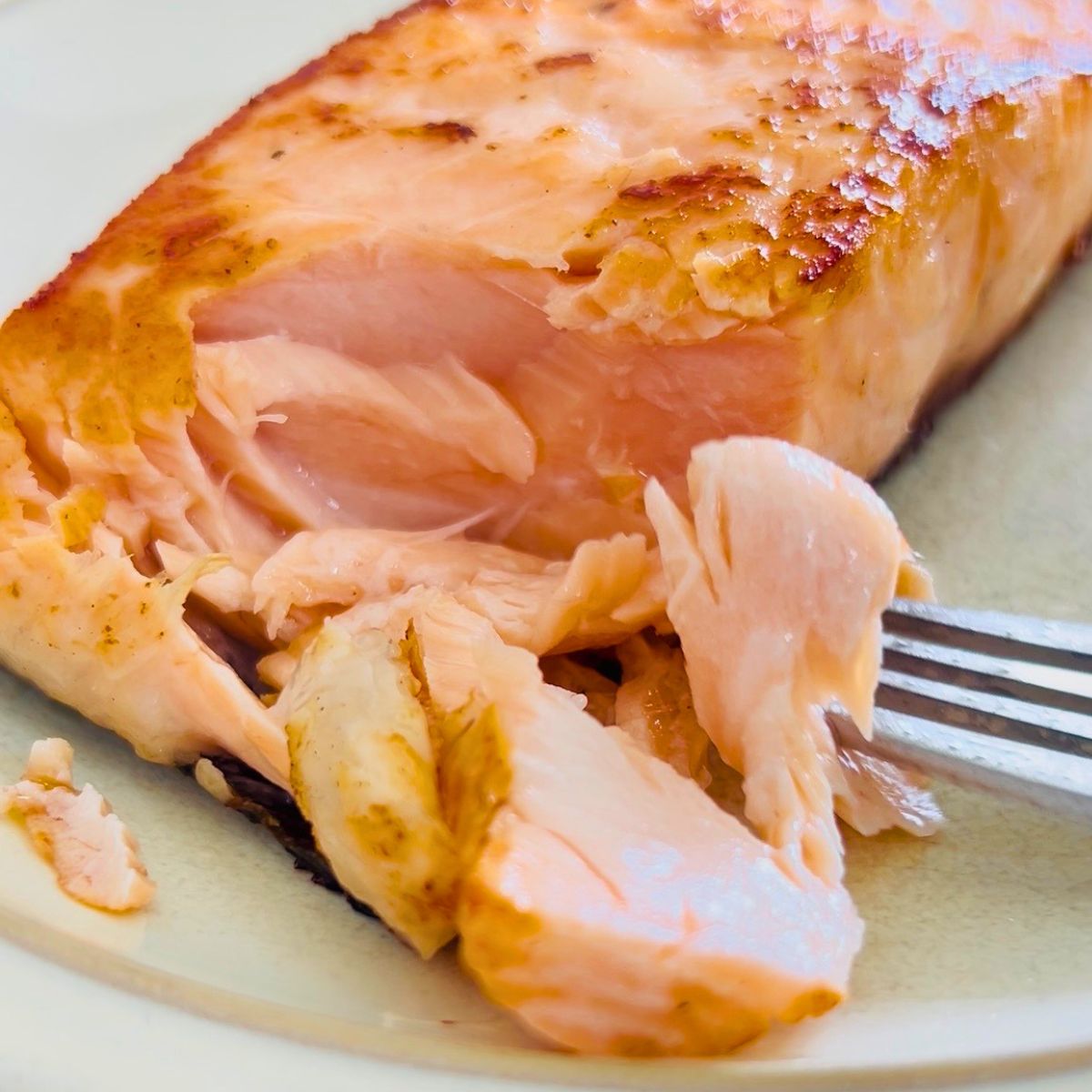
Salmon proteins soften at 120°F, which means the layers will start to separate from each other. The flesh should have a slightly darker pink center when you peek in between the layers at the thickest part. You can also use your portion and cut into it to check the appearance and texture.
More Recipes You Will Love

Did you try any of these tips? Leave a comment below to let us know how it turned out! Thanks for visiting!
📖 Recipe

Restaurant-Style Pan-Seared Salmon
Equipment
- 12-inch skillet
- spatula or tongs
- instant-read meat thermometer
Ingredients
- 4 salmon fillets (7-8 ounces each, 1-inch thick. skinless or skin-on)
- 2 teaspoons Diamond Crystal kosher salt (use half if Mortons brand)
- 1 teaspoon granulated sugar
- 1 tablespoon cooking oil (olive, canola, grapeseed, or vegetable)
- freshly ground black pepper (optional)
Instructions
- Combine the kosher salt and sugar in a small bowl. Sprinkle it over the salmon, including the sides and skin side. Place on a plate or tray and refrigerate, covered, for 45 minutes.
- Preheat the skillet over medium-high heat. Remove the salmon from the refrigerator, rinse with cold water, and pat dry. Season with black pepper, if using.
- Confirm the skillet is hot by sprinkling a couple of drops of water on it. It should quickly evaporate. If not, wait 2 more minutes to recheck. When hot, add the oil and swirl it around the skillet.
- Place the salmon fillets into the skillet skin side up. If you like crispy skin, start with the skin side down. Leave it alone while it sears for 4 minutes.
- Flip the fillets using tongs or a spatula. Sear for 4-5 minutes longer without moving them. Cook to an internal temperature of 125℉ in the thickest part. Transfer the fillets to a plate and serve immediately.
Video
Notes
- Dry brine anytime the day of serving, such as in the morning.
- Rinse it off, pat dry, and store covered in the refrigerator until you are ready to cook.
- Double-check that the fillets are dry before searing.
Nutrition
The provided nutritional information is an estimate per serving. Accuracy is not guaranteed.
Comments
No Comments