
Restaurant-quality bucatini pasta with tomatoes and mozzarella made at home. A fun pasta shape with quality canned tomatoes, melted mozzarella, and fresh basil. Simple technique, incredible results, make it year-round.

I was introduced to this recipe in 2010 during an all-day, hands-on Italian cooking course with Chef Cody Hogan, who works for the famous restaurateur and cookbook author, Lidia Bastianich. He suggested this simple bucatini dish as one way to use homemade marinara sauce.
Lidia's restaurant has a rotating menu of a pasta trio with 3 daily pasta options offered tableside. If you order the trio, servers meander through the dining room carrying a skillet with one of the freshly prepared pasta courses.
Chef Cody said the servers sigh when they learn it's bucatini night for the pasta trio. They know their shirts are going to get splattered with tomato sauce from the slurpy bucatini. It's so good.
The ingredients for this easy pasta dish are in most well-stocked kitchen pantries. Fresh mozzarella and basil are the two items you may need to pick up.
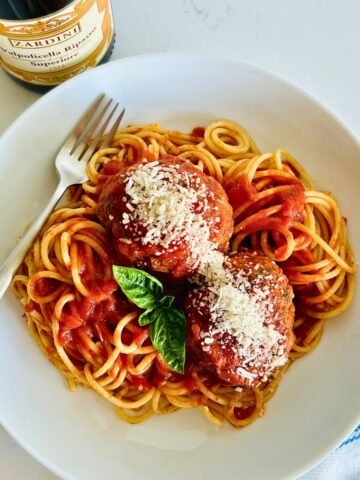
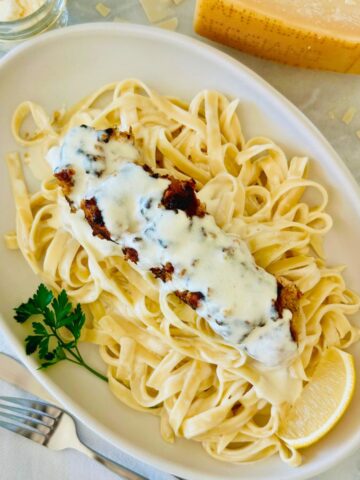
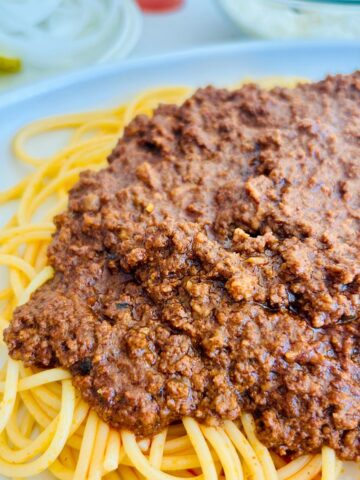
Occasionally, I substitute bucatini for spaghetti with this Italian meatball recipe. If you are looking for other dinner ideas, try my other pasta recipes like chicken spiedini Samantha, a copycat of Garozzo's restaurant, or this spaghetti red recipe. When a big salad is the craving, this roasted seasonal vegetable salad is so similar to North Italia's and worth the extra time.
Jump to:
Why You Will Love This Recipe
- No tomato skin to spit out. This recipe calls for crushed tomatoes in a can rather than fresh tomatoes.
- Two pots, less mess, under 30 minutes.
- You can use a large amount of fresh basil from the garden.
- It's vegetarian-friendly.
What Is Bucatini Pasta?
Bucatini pasta is a long, round strand and thicker than spaghetti because it is hollow down the center like a straw. Kids and adults love it.

Restaurant Pasta Techniques At Home
Restaurant versions taste better because the chef is preparing your order at the last minute, and the dish is properly sauced and seasoned. Here are some professional pasta cooking tricks I learned from Chef Cody and how to incorporate them at home:
- Restaurants cook pasta in salted water. This is the foundation of proper seasoning. This recipe has 3 cues reminding you when to taste and check if salt is needed.
- Pasta needs a lot of boiling water to cook. Use 6 quarts of water, or your pasta might be starchy and sticky and taste too gummy.
- Don't overcook your pasta. Use your pasta package cooking time as your guide. They are pretty 'spot on'.
- Don’t cook the pasta and set it aside. Have the sauce ready and waiting for the cooked pasta.
- Don't drain the pasta into a colander in the sink. Use tongs or a slotted spoon to transfer pasta directly into the sauce.
- Always use some pasta water to incorporate the sauce into the noodles. The sauce should be slightly thick and cohesive; not too dry and not too soupy.
Ingredients
Here are the ingredients needed to make bucatini pasta with tomatoes, mozzarella, and fresh basil!

- Bucatini: A long, hollow pasta strand makes it fun to slurp. It's surprising how many of our friends ask about this pasta because they haven't noticed it in the stores. While not as common as spaghetti, our grocery stores sell dried brands like Delallo, Colavita, or DeCecco.
- Canned Crushed Tomatoes: Canned crushed tomatoes make this a quick recipe, and you don't have to deal with inedible tomato skins from fresh tomatoes. I like Cento or Whole Foods crushed tomatoes. Whole peeled San Marzano tomatoes can be substituted; just crush them with a potato masher.
- Fresh Mozzarella: Use unseasoned, fresh mozzarella pearls that are already small in size to help them melt faster, or cut a larger ball into small pieces. Shredded mozzarella is not as moist and doesn't have the same creaminess.
- Fresh Basil: Summer's greatest herb that adds a sweet bite to the pasta. Thankfully, stores stock fresh basil year-round. Do not store basil in the fridge, it will blacken from the cold. Simply store the basil stems in a glass of water on the counter like cut flowers. They will last for weeks and start rooting in the water. Don't use dried basil.
- Olive Oil: Taste various olive oils to find the one that you like the best. My favorite is from extra virgin from California Olive Ranch.
- Garlic Cloves: Real garlic, not the jarred stuff. A chef's tip is to thinly slice garlic in this recipe, so those who may not care for garlic can simply move it to the side.
- Diamond Crystal kosher salt and red pepper flakes for seasoning.
See the recipe card below for ingredient measurements.
Variations
Here are some other ideas on how to serve this pasta dish.
- Basil: Don't have fresh basil? Pesto can be drizzled on top.
- Fresh Mozzarella: If you can substitute burrata, which is similar to a ball of mozzarella, but it's softer with a creamy center.
- Bucatini: If you can't find bucatini, you can substitute a long strand like spaghetti or linguini.
- Meat: Cook 1 pound of ground meat like Italian sausage, beef, pork, or turkey before adding the garlic.
- Spicy: Increase the heat by adding ½ teaspoon of crushed red pepper flakes.
- Group Meal: It's easy to serve this family-style from the skillet. Ask others to bring garlic bread, salad, wine, and dessert to round out the meal.
Step-by-Step Instructions
Bring 6 quarts of water and 4 tablespoons of Diamond Crystal kosher salt (or 2 tablespoons of table salt) to a boil. You should be able to taste the salt in the water and adjust for more, if preferred.

Step 1: Heat the olive oil in a 12-inch skillet over medium heat. Add the garlic slices to the oil. Stir frequently for 1-3 minutes until they just barely start to toast. Reduce the heat to low, then add the chili flakes.

Step 2: Add the canned crushed tomatoes to the skillet and stir to combine. Add ¼ water to the can to rinse out the residual tomatoes and pour the slurry into the sauce. Bring to a simmer. Taste to see if the sauce needs salt.

Step 3: Cook the bucatini pasta in the boiling water. Set the timer to 1 minute less than the package directions state as the cooking time.

Step 4: Using tongs, transfer the bucatini from the pot of water to the skillet with the tomato sauce. Stir to coat the noodles.

Step 5: Add ¼ cup of pasta water to the skillet and bring to a simmer. Keep adding small amounts of pasta water to the noodles until the sauce looks fairly wet, but not soupy. You could use up to 1 cup of water.

Step 6: Sprinkle half of the mozzarella balls over the noodles and gently stir to incorporate the cheese evenly throughout. Top with the rest of the mozzarella cheese balls. Cover the skillet with a lid or foil for 2-3 minutes to allow the cheese to melt while the burner is set to simmer.
Chop or tear the basil into ½-inch pieces while you wait.

Step 7: Observe the bucatini. Add more pasta water if the noodles and sauce appear to be getting dry. If they are too watery, let them simmer another minute. You are looking for a saucy consistency. The pasta will continue to absorb the liquid after plating. Taste a noodle to see if the dish needs a little salt for seasoning.
Turn off the heat. Sprinkle the basil on top of the pasta before serving. Dish into warm plates or bowls. Serve with grated Pecorino Romano or Parmigiano Reggiano cheese, if desired.
Cheese Melting Tips
Want a dramatic and fun cheese pull when you dish the bucatini onto individual plates? Here are some helpful tips to get stringy and warm cheese.
- Small, ½-inch pieces of fresh mozzarella are key to getting melty cheese without overcooking the pasta. Larger chunks of cheese take longer to melt.
- Don't add the cheese too early or stir too much, it will blend into the sauce.
- Don't add the cheese too late, or it won't melt. You can keep it over heat to melt, but you risk mushy pasta.
How To Double This Recipe
A 12-inch skillet can hold up to 1 pound of pasta, but not much more. If you want to scale this recipe up, swap the skillet for a heavy-bottomed 8-quart pot so the tomato sauce is in a deeper vessel and there's room for 2 pounds of pasta.
Storage Information
Allow the pasta to come to room temperature. Then store it in a covered container in the refrigerator for 4 days.
If you package leftovers in lunch containers, add 1-2 tablespoons of pasta water to each container. Just microwave the pasta until it is warm again. If it seems dry, stir in a little water to reincorporate the sauce.
Freezing is not recommended since fresh mozzarella and basil do not freeze well.
FAQ
Basil is key to this dish, but it can be harder to source during the dead of winter. To maintain the basil flavor, you can drizzle 2 tablespoons of pesto over the skillet of pasta. You can also substitute fresh, flat-leaf (Italian) parsley or fresh oregano.
Yes, this recipe works well with added protein. Grilled chicken, seared shrimp, or Italian sausage are natural fits. If using ground meat, cook and drain it first before adding the sliced garlic. Cook your chicken or shrimp separately and add it at the end.
Yes, you can use about 2½ pounds of fresh tomatoes. I prefer to cut out the parts that you can't chew. This means cutting off the tops, removing seeds, and peeling their skins before adding them to the skillet. Reduce the liquid to your liking and use a masher to crush them once they soften.
This pasta is at its best when freshly made. Because this is so simple to make, I suggest making it all at once and serving it immediately.

Did you try any of these tips? Leave a comment below to let us know how it turned out! Thanks for visiting!
📖 Recipe

Bucatini Pasta With Tomatoes And Mozzarella
Equipment
- 8 quart stock pot
- 12-inch skillet
- tongs
Ingredients
- 2 tablespoons olive oil
- 3 cloves fresh garlic, thinly sliced
- ⅕ teaspoon crushed red chili flakes
- 28 ounces canned crushed tomatoes
- Diamond Crystal kosher
- 1 pound bucatini pasta
- 8 ounces fresh mozzarella balls (pearls or cut into ½-inch pieces)
- 1 ounce fresh basil (about 4 stems)
Instructions
- Bring 6 quarts of water and 4 tablespoons of Diamond Crystal kosher salt (or 2 tablespoons of table salt) to a boil. You should be able to taste the salt in the water and adjust for more, if preferred.
- Heat the olive oil in a 12-inch skillet over medium heat. Add the garlic slices to the oil. Stir frequently for 1-3 minutes until they just barely start to toast. Reduce the heat to low, then add the chili flakes.
- Add the canned crushed tomatoes to the skillet and stir to combine. Add ¼ water to the can to rinse out the residual tomatoes and pour the slurry into the sauce. Bring to a simmer. Taste to see if the sauce needs salt.
- Cook the bucatini pasta in the boiling water. Set the timer to 1 minute less than the package directions state as the cooking time.
- Using tongs, transfer the bucatini from the pot of water to the skillet with the tomato sauce. Stir to coat the noodles. Add ¼ cup of pasta water to the skillet and bring to a simmer. Keep stirring in small amounts of pasta water to the noodles until the sauce looks fairly wet, but not soupy. You could use up to 1 cup of water.
- Sprinkle half of the mozzarella balls over the noodles and gently stir to incorporate the cheese evenly throughout. Top with the rest of the mozzarella cheese balls. Cover the skillet with a lid or foil for 2-3 minutes to allow the cheese to melt while the burner is set to simmer. Chop or tear the basil into ½-inch pieces while you wait.
- Observe the bucatini. Add more pasta water if the noodles and sauce appear to be getting dry. If they are too watery, let them simmer another minute. You are looking for a saucy consistency. The pasta will continue to absorb the liquid after plating. Taste a noodle to see if the dish needs a little salt for seasoning.
- Turn off the heat. Sprinkle the basil on top of the skillet of pasta before serving. Dish into warm plates or bowls. Serve with grated Pecorino Romano or Parmigiano Reggiano cheese, if desired.
Video
Notes
Nutrition
The provided nutritional information is an estimate per serving. Accuracy is not guaranteed.



Comments
No Comments