
Ever need Bulgarian buttermilk or full-fat buttermilk for a recipe and can't find it anywhere? You can make your own cultured buttermilk at home! It's better than store-bought and takes less than 5 minutes of work with 8-24 hours of hands-off time.
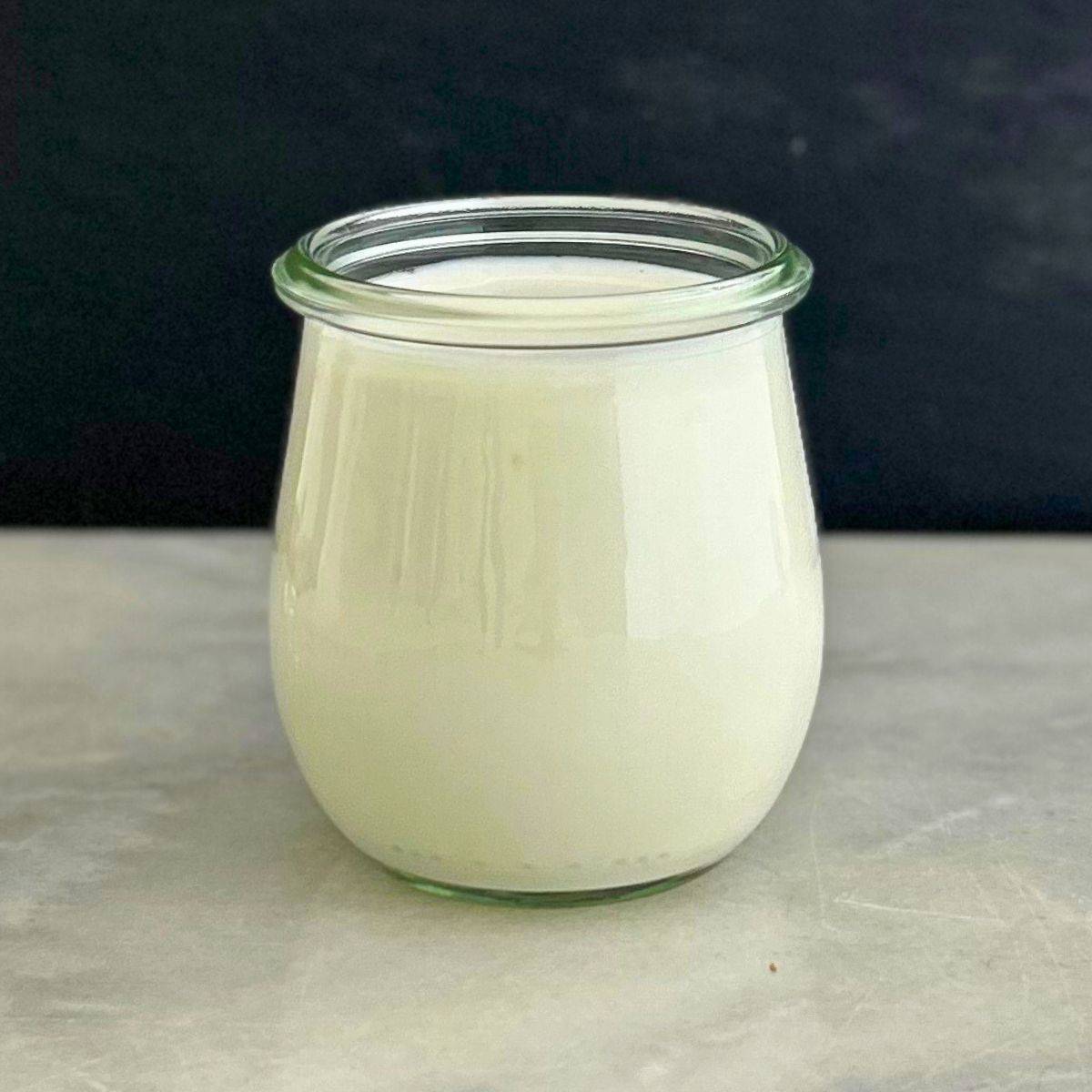
I can’t find full-fat buttermilk or Bulgarian buttermilk where I live, so I started making it in 2021. This cultured buttermilk is produced through fermentation.
This is different than the other recipes that suggest adding lemon juice or vinegar to milk for a quick buttermilk substitute. That hack works in a pinch, but it won't give you the thick, creamy texture of true buttermilk.
It's the same cultured dairy you'd use for fluffy biscuits, a probiotic-rich drink when blended with fruit, tangy salad dressings, a key ingredient in cold soups, or buttermilk-marinated chicken.
You can use this buttermilk as a starter for other fermented dairy, like my homemade crème fraîche recipe.
Keep a quart in your refrigerator at all times for weekend baking projects and Sunday supper side dishes like mashed potatoes.
Jump to:
Why Make Buttermilk
- No watered-down 1% versions. This is thick, tangy, rich buttermilk that's so much better.
- You control the quality by sourcing ingredients without added stabilizers or gums.
- It's a smart kitchen hack. Once you culture your first batch, you can keep it going by saving a portion to start the next jar.
Storebought Versus Homemade Buttermilk
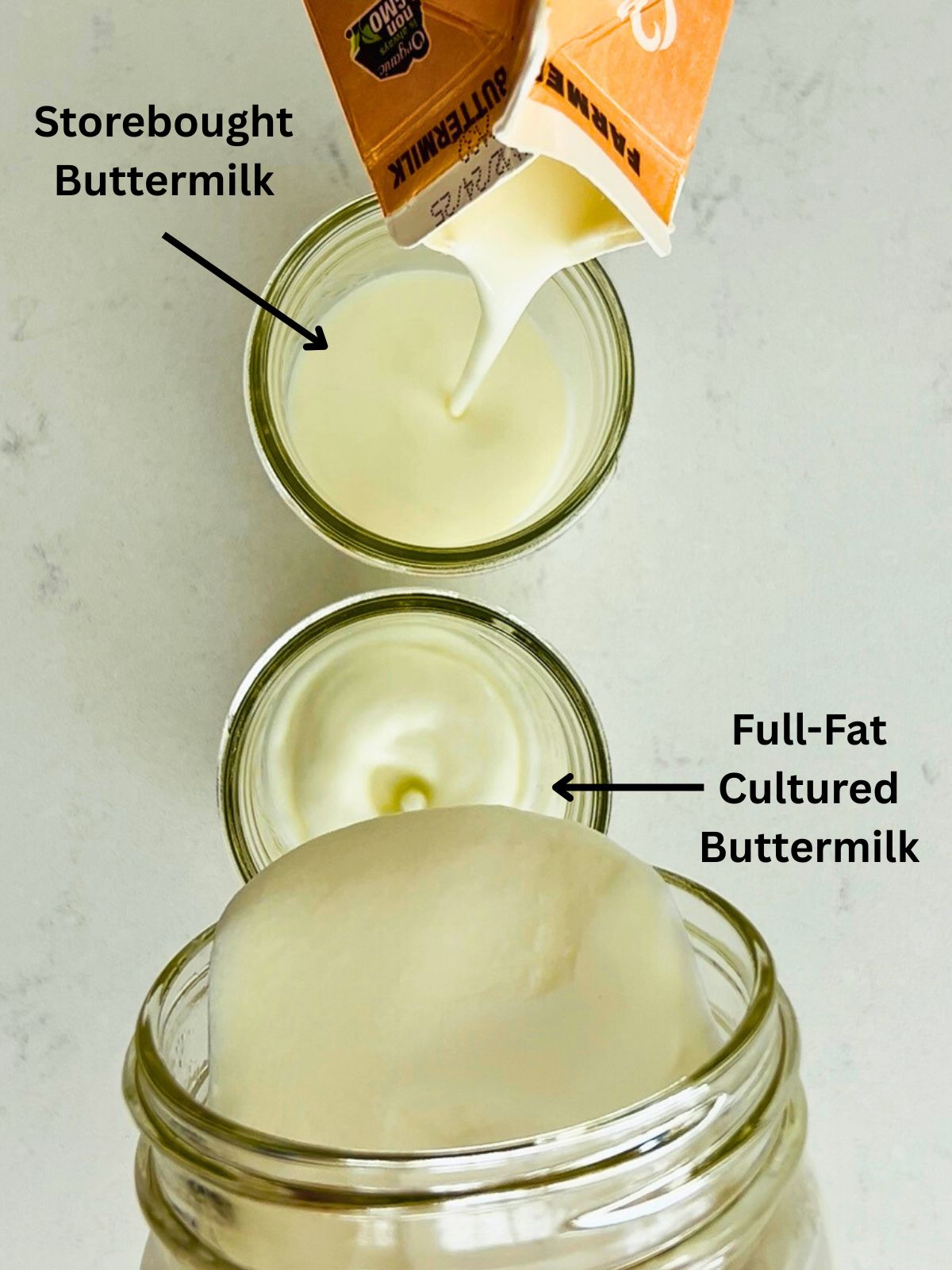
- Homemade cultured buttermilk (whole milk or 1% low-fat) is thicker than store-bought buttermilk.
- Full-fat buttermilk made with whole milk has a creamier mouthfeel and is more decadent.
What You Need To Know Before You Start
- You don't have to buy cheesecloth. Simply crack the lid open while it ferments, then seal it tight before your finished buttermilk goes into the fridge.
- Cooler kitchen? No problem. While 70-77°F is ideal, this recipe still works at 65°F. It simply needs a few extra hours to thicken.
- You can make cultured buttermilk with pasteurized and ultra-pasteurized milk. Yes, ultra-pasteurized milk works when mixed with Organic Valley buttermilk.
- In my area, cultured buttermilk labels do not tell you if they contain active or live cultures. You just have to test the brand you choose in your first batch to see if it works.
Ingredients
You only need 2 ingredients to make full-fat cultured buttermilk!
- Whole Milk: I suggest using high-quality whole milk to get the indulgence of the extra fat, but you can also use low-fat milk. Avoid using heavy cream because it will be too thick, unless you are trying to make my homemade crème fraîche.
- Buttermilk: Most standard grocery store buttermilk works fine as a starter, but many contain added thickeners or stabilizers. Try to find organic buttermilk, like Organic Valley. I can find it at Whole Foods and Sprouts.
See the recipe card below for ingredient measurements.
Step-by-Step Instructions
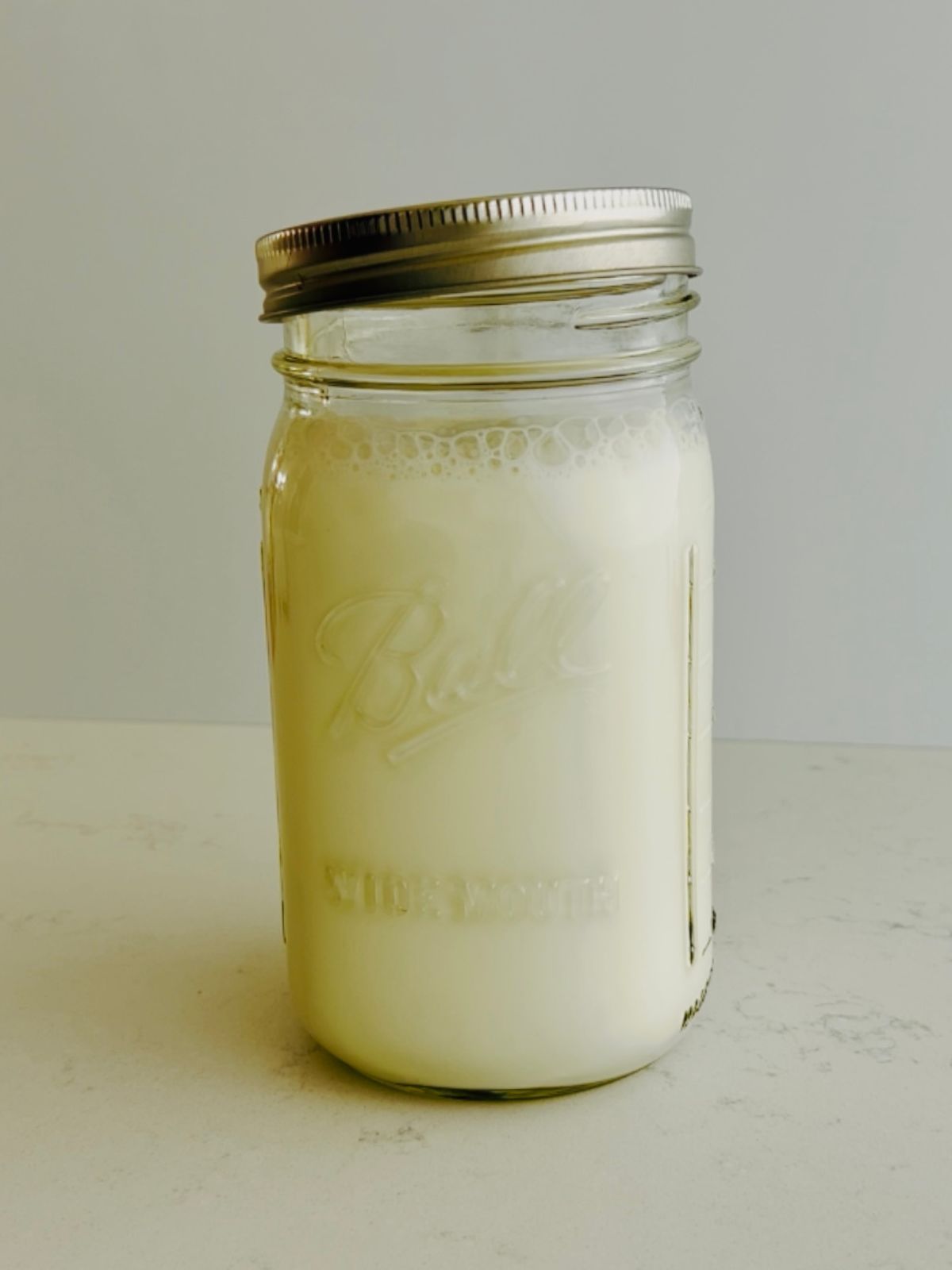
Step 1: In a sterile mason jar, add the buttermilk and milk and stir with a spoon. Place the lid loosely over the mason jar to allow some air flow.
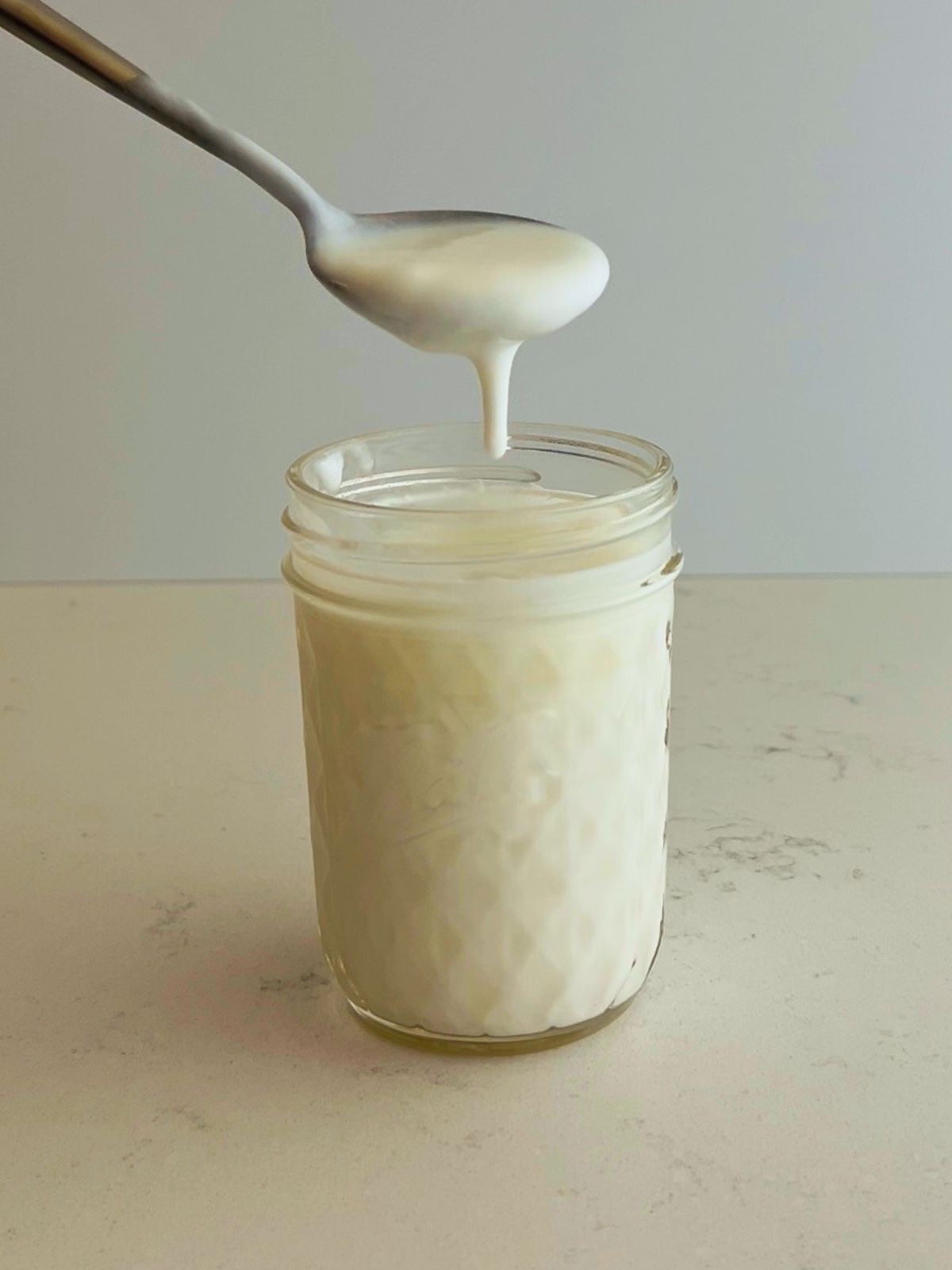
Step 2: Keep the jar on the kitchen counter at room temperature until it's thickened to your liking. Use a spoon to check. It will take 8-24 hours, depending on the temperature.
Tighten the lid on the mason jar and store it in the refrigerator for up to 2 weeks.
Successful Versus Failed Batches
The quality of your buttermilk makes a difference. Most grocery store buttermilk is 1% milkfat, or it may have several added chemicals in it.
Successful Batch
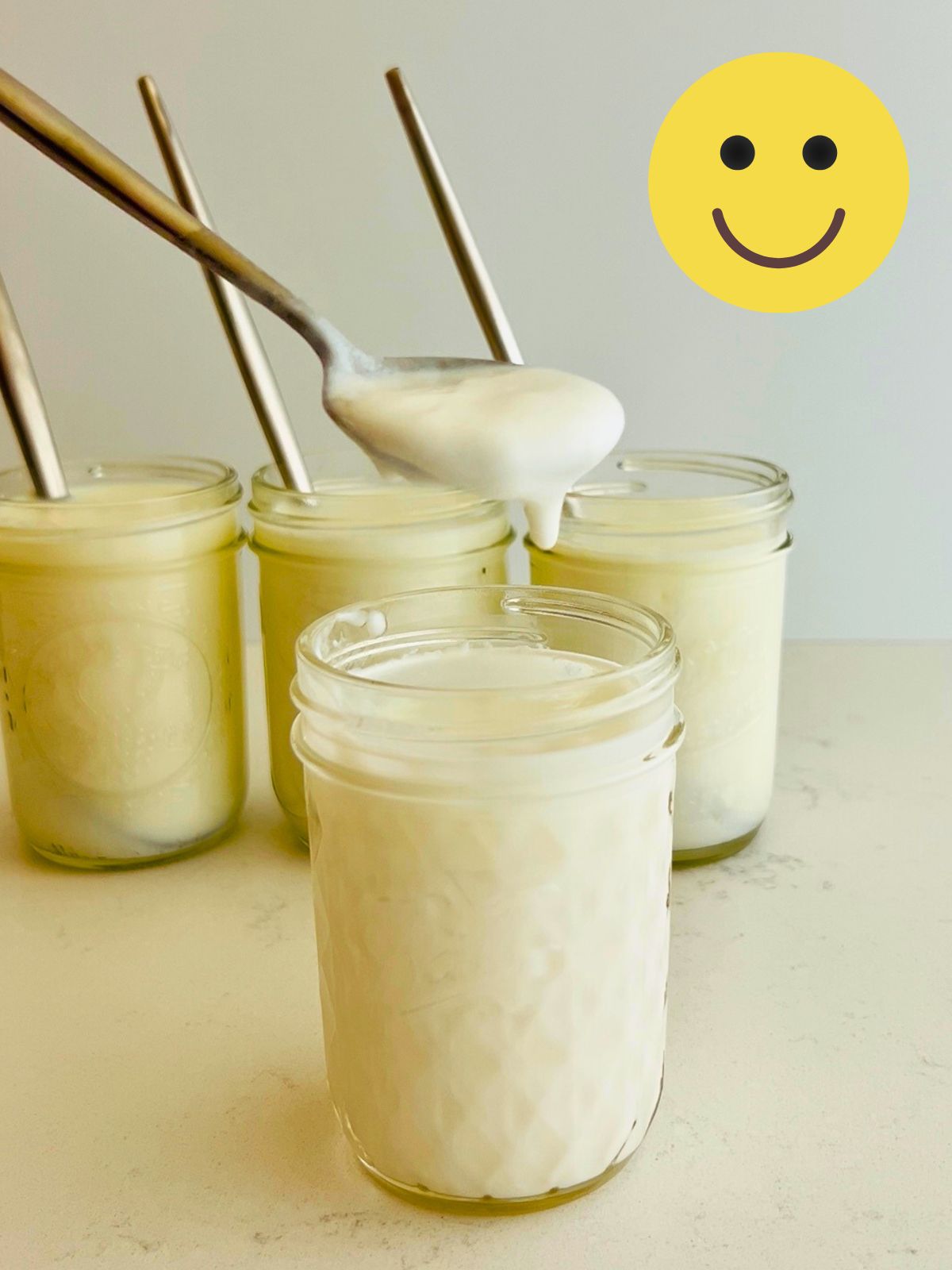
All batches tested using organic buttermilk were successful with pasteurized (1% & whole) and ultra-pasteurized whole milk.

Note the simple ingredients of this buttermilk in the picture. I recommend searching for organic cultured buttermilk to use as your starter.
Failed Batch
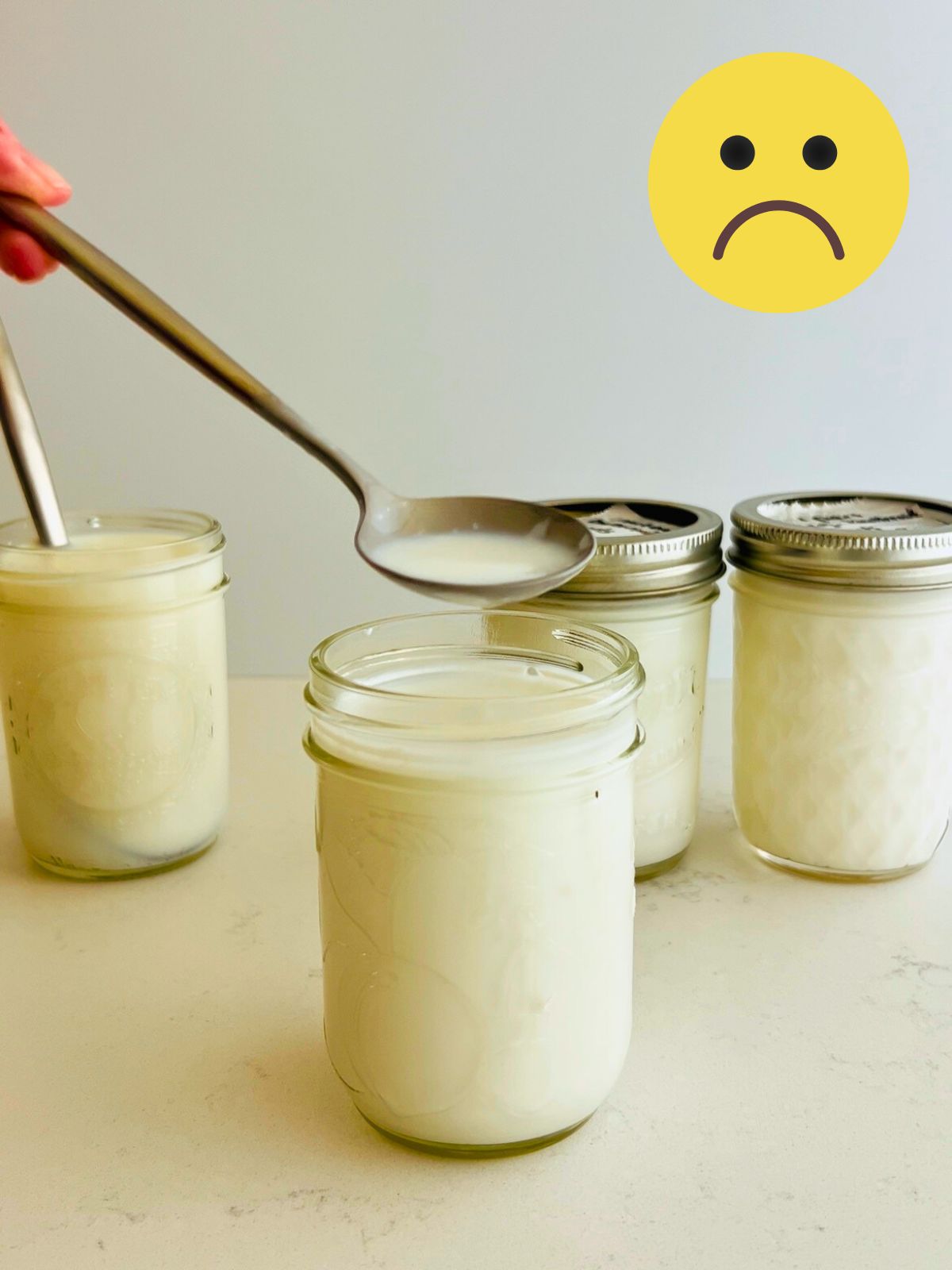
This failed batch was made with a different brand of buttermilk. If the carton says cultured buttermilk, it doesn't mean it has active cultures.

I have made successful batches from buttermilk containing gums and thickeners, but this batch failed! It could be due to the 'dry milk' in this buttermilk, or the cultures were not active.
Storage Information
Cover tightly and store in the refrigerator for 2 weeks.
The USDA states you can freeze buttermilk in sealed containers for up to 3 months.
FAQ
If you can buy organic cultured buttermilk, that's my first choice. If that's not available, try a local, store-bought option and give yourself an extra day to test it. If your grocery store's buttermilk is not working, try buying powdered buttermilk live cultures online and follow the package directions.
You can use 2%, 1%, or skim milk, but whole milk produces the thickest, creamiest results. I've had success making cultured buttermilk with pasteurized and ultra-pasteurized milk.
Typically 12-24 hours at room temperature (65-75°F). Warmer kitchens culture faster; cooler kitchens take longer.
Check to see if it has thickened. Gently tilt the jar. If the buttermilk moves away from the side in one mass instead of running freely like milk, it's set. You can also stir it with a clean spoon to see the texture. It should be noticeably thicker than milk and have a tangy smell and taste.
Common causes: buttermilk with extra additives, dead cultures in your starter buttermilk, or a kitchen that's too cold (below 65°F). Try moving it to a slightly warmer spot and wait an additional 12 hours, or start over with fresh organic buttermilk.
Yes, just shake or stir to recombine it.
If your buttermilk is visibly moldy or smells rotten, throw it out.


Did you try any of these tips? Leave a comment below to let us know how it turned out! Thanks for visiting!
📖 Recipe

How To Make Cultured Buttermilk
Equipment
- 1 mason jar (1-quart capacity)
Ingredients
- 1 cup (240 g) organic buttermilk
- 3 cups (732 g) whole milk
Instructions
- In a sterile mason jar, add the buttermilk.
- Add the milk and mix with a clean spoon.
- Place the lid loosely over the mason jar to allow some air flow. Keep the jar on the kitchen counter at room temperature until it's thickened to your liking. Use a spoon to check that it has thickened. It will take 8-24 hours, depending on the temperature.
- Use a spoon to check that it has thickened to your liking. Put the lid on the mason jar and store it in the refrigerator for about 2 weeks.
Notes
Nutrition
The provided nutritional information is an estimate per serving. Accuracy is not guaranteed.
Comments
No Comments